



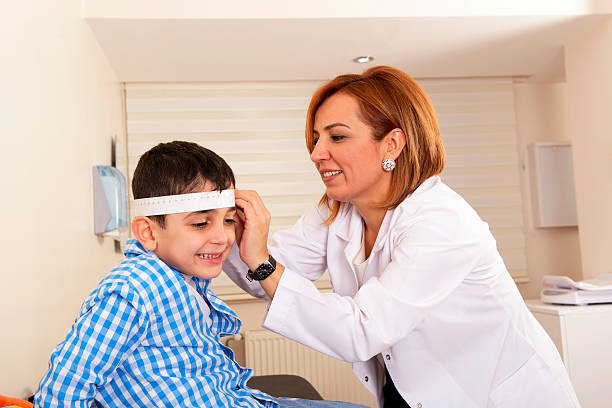
Neurological disorders in children pose unique challenges for parents and healthcare providers. Early identification is essential to ensure proper treatment and support healthy development. Conditions can range from migraines and epilepsy to cerebral palsy, neuromuscular disorders, and rare genetic issues.
Subtle signs like delayed milestones, coordination problems, unusual movements, speech delays, or behavioral changes warrant consultation with the best pediatric neurologist. These specialists focus on the brain, spinal cord, nerves, and muscles in children. With advanced diagnostic tools and clinical expertise, pediatric neurologists evaluate developing nervous systems accurately, enabling timely interventions that significantly improve outcomes.
Understanding Pediatric Neurological Disorders
Neurological disorders in children can present in many ways, including seizures, developmental delays, learning difficulties, and motor impairments. Conditions such as epilepsy, attention deficit hyperactivity disorder (ADHD), autism spectrum disorder, and neuromuscular disorders require careful, specialized assessment. Some children show overlapping symptoms between neurological and systemic issues, emphasizing the need for comprehensive evaluation.
Collaboration with other specialists, including blood and cancer specialists, ensures children with complex conditions receive holistic care. A detailed medical history is essential, covering pregnancy, birth, developmental milestones, and family health. Pediatric neurologists combine this with neurological examinations of reflexes, muscle tone, balance, coordination, cognition, and behavior to distinguish normal development from true neurological disorders.
Diagnostic Techniques Used by Pediatric Neurologists
Accurate diagnosis relies on a combination of clinical assessment and advanced diagnostic tools. Imaging techniques such as magnetic resonance imaging (MRI) and computed tomography (CT) scans detect structural abnormalities in the brain and spinal cord. Electroencephalograms (EEG) monitor brain activity to identify seizure patterns. Blood tests and genetic screening can reveal inherited or metabolic conditions that affect neurological function. Neuropsychological assessments evaluate cognitive and behavioral performance, providing a comprehensive understanding of a child’s abilities and challenges.
In certain cases, collaboration with a pediatric neurosurgeon is necessary. Surgical intervention may be required to correct structural issues, remove tumors, or relieve pressure within the brain. Pediatric neurosurgery demands precision, specialized equipment, and a child-friendly environment to ensure safety and comfort during procedures. The combined expertise of pediatric neurologists and neurosurgeons ensures that children receive the most effective, tailored care.
The Role of a Pediatric Neurological Surgeon
When surgical intervention is indicated, a pediatric neurological surgeon evaluates the child and recommends appropriate procedures. Common surgeries include tumor removal, correction of congenital brain or spinal defects, and treatment for hydrocephalus or seizures. Pediatric neurological surgeons work closely with neurologists to develop preoperative and postoperative plans. Their specialized training ensures that surgical interventions are safe, effective, and minimally invasive whenever possible. Recovery and rehabilitation are also carefully managed to support the child’s overall development and quality of life.
Multi-Disciplinary Care for Complex Cases
Children with neurological disorders often benefit from a multi-disciplinary approach. Pediatric neurologists collaborate with occupational therapists, speech therapists, physiotherapists, and psychologists to address developmental, cognitive, and behavioral challenges. Early intervention programs are designed to help children achieve milestones, improve motor skills, enhance communication, and strengthen social interactions.
When neurological conditions are accompanied by systemic disorders, such as blood-related illnesses or cancer, coordination with hematology oncology specialists becomes essential. Children with leukemia or brain tumors require integrated care plans involving neurologists, neurosurgeons, and oncology teams. This collaborative approach ensures that both neurological and systemic issues are addressed simultaneously, optimizing outcomes and reducing the risk of complications.
Importance of Early Intervention
Timely diagnosis is critical for managing neurological disorders effectively. Conditions like epilepsy, cerebral palsy, and neurogenetic disorders respond more positively when detected early. Parents should consult a best pediatric neurologist at the first sign of unusual symptoms. Early intervention can include medications, therapy programs, surgical procedures, or lifestyle modifications tailored to the child’s specific needs. Delays in diagnosis may result in slower development, additional complications, or missed opportunities for effective treatment.
Early intervention is particularly important for children with developmental delays or learning difficulties. Pediatric neurologists work with families to design individualized care plans that address both immediate medical needs and long-term developmental goals. Comprehensive follow-up ensures that therapy programs remain effective as the child grows, providing continuous support for health and development.
Advanced Diagnostic and Therapeutic Tools
Modern pediatric neurology relies on sophisticated diagnostic and therapeutic tools. MRI and CT scans provide detailed images of the brain and spinal cord, helping neurologists identify structural anomalies. EEG and video EEG monitoring detect seizure activity and guide treatment decisions. Genetic testing and metabolic screenings reveal conditions that might otherwise remain undiagnosed. Neuropsychological assessments provide insights into cognitive and behavioral functions, enabling a holistic approach to treatment.
In complex cases, particularly those involving tumors or systemic illnesses, pediatric neurologists coordinate with a pediatric neurological surgeon and blood and cancer specialty teams. This collaboration ensures that children with overlapping neurological and hematological conditions receive care tailored to their unique needs. The integration of multiple specialties maximizes the effectiveness of treatment and improves overall quality of life.
Supporting Families Through the Process
Treating neurological disorders in children is not limited to medical intervention. Parents play a vital role in a child’s care journey, and family-centered approaches improve outcomes. Pediatric neurologists educate families about the condition, treatment options, and home care strategies. Counseling and support services help parents navigate complex medical decisions, manage stress, and foster a nurturing environment for recovery.
Healthcare providers encourage parents to participate in therapy programs, follow up on appointments, and communicate changes in the child’s behavior or development. This collaborative approach empowers families and ensures that treatment plans are implemented consistently, supporting better long-term results.
Conclusion
Diagnosing neurological disorders in children requires expertise, advanced diagnostic tools, and a compassionate approach. The best pediatric neurologist is essential for early detection, accurate assessment, and personalized management. Pediatric neurological surgeons provide surgical solutions when necessary, while collaboration with blood and cancer specialists ensures comprehensive care for children with complex conditions. Early intervention, multi-disciplinary support, and family involvement are key to optimizing outcomes and promoting healthy development.
For families seeking expert care and timely interventions, Ankura Hospitals provides specialized pediatric neurology care through a team of experienced pediatric neurologists and blood and cancer specialists. Their child-focused approach combines advanced diagnostics, multi-disciplinary collaboration, and compassionate care. With modern facilities including NICU and PICU support, Ankura ensures precise diagnosis, effective treatment, and holistic care for children, helping families navigate complex neurological conditions with confidence.
More Stories
Chronic Back Pain Treatment in Merced CA
Professional Ear Wax Removal London: Safe, Effective, and Expert Ear Care Services
Digital First Impressions: How Online Reputation Dictates the Modern Patient Journey