





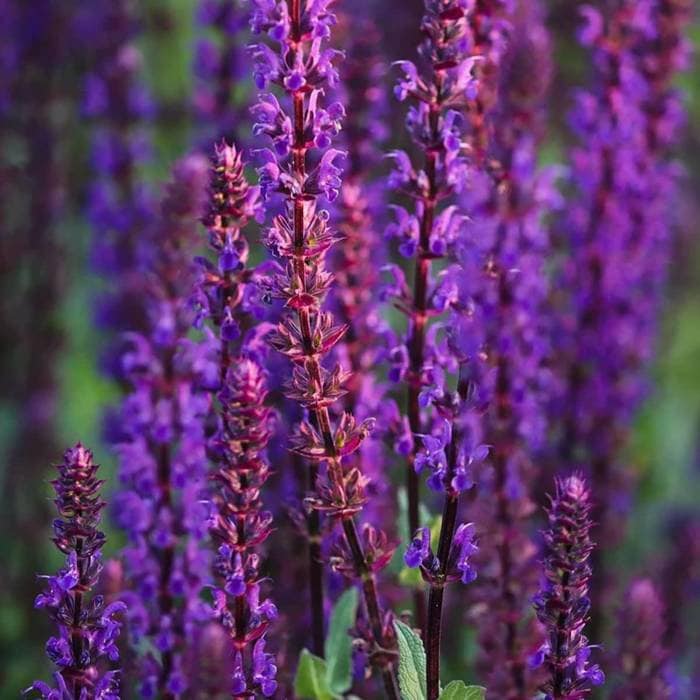
Acquiring a rare and historic ethnobotanical specimen is an exciting milestone for any exotic plant collector. Because this unique perennial mint native to the Sierra Mazateca cloud forests of Mexico relies almost entirely on vegetative cloning rather than seeds, bringing home an established, rooted clone is the most reliable way to successfully grow it.
When you browse online listings and successfully select a live Salvia Divinorum Plant for sale, the journey has only just begun. The key to long-term success lies in understanding its natural habitat and properly managing its transition into your indoor garden space to prevent shipping stress and transplant shock.
1. Unpacking and Immediate First Aid
When your live specimen arrives, it will have spent several days in a dark, stagnant shipping box. Immediate and careful handling is critical to ensure its survival:
- Unpack Gently: Carefully cut away the external shipping tape, cardboard, and protective bubble wrap. Avoid tugging on the main stem, as the hollow stalks of this species can crack easily under pressure.
- Inspect the Moisture: Check the root ball or soil plug. It should be damp but not completely waterlogged. If it feels dry to the touch, give it a light drink of distilled or filtered water immediately.
- Expect Minor Stress: Do not panic if your new arrival displays yellowing lower leaves or drops a few leaves within the first 48 hours. This is a standard reaction to a total lack of light and airflow during transit. As long as the central top growing tip (the apical meristem) remains green and firm, the plant will recover.
2. Recreating the Cloud Forest Climate
To make your new Salvia Divinorum Plant for sale thrive, you must mimic the humid, sheltered understory conditions of its native Mexican mountain home.
Mastering the Humidity Transition
In its native habitat, ambient relative humidity frequently sits between 70% and 90%. Your home’s indoor air is likely much drier, especially if you run heating or air conditioning systems.
To acclimate the plant without causing it to wilt, place it under a clear plastic propagation dome or inside a large, transparent, loosely tied plastic bag for the first week. This traps moisture and creates a gentle microclimate. Over the course of the next 7 to 10 days, slowly open the bag or vent the dome a little more each day to gradually introduce the leaves to your ambient room humidity—a crucial conditioning process known as “hardening off.”
Finding the Perfect Indirect Light
In the wild, this species grows under dense forest canopies, meaning it strongly dislikes intense, direct sunlight. Placing your plant in a blistering south-facing window will quickly scorch the leaves, causing the edges to turn black and crisp.
Instead, position your container near a bright north- or east-facing window where it receives soft, filtered natural light. If you prefer to grow indoors under artificial lights, low-wattage cool-spectrum LED panel lights or standard T5 fluorescent shop lights kept a few feet above the plant provide the perfect environment for steady vegetative growth.
3. Substrate Composition and Watering Protocols
Proper water and soil management below the surface is arguably the most critical aspect of caring for your newly purchased botanical specimen.
Utilizing highly Aerated Soil
While this plant loves consistent moisture, its roots require constant access to oxygen. If planted in heavy, dense garden soil, the root zone will quickly suffocate, leading to pythium (root rot).
Always use a highly porous, well-draining soil mix. An excellent homemade blend consists of equal parts premium organic potting soil, coarse perlite, and vermiculite. This structure allows excess water to flush completely through the bottom drainage holes while retaining just enough spongy moisture to keep the roots hydrated.
The Balancing Act of Watering
Water your specimen thoroughly only when the top half-inch of the soil begins to feel dry to the touch. When you water, pour until you see it running freely out of the bottom of the pot, and always empty the runoff tray immediately. Never allow the container to sit in stagnant, pooled water. If the plant is thirsty, its leaves will droop dramatically, but they will spring back upright within an hour of receiving a thorough drink.
4. Pruning and Long-Term Maintenance
As your specimen adapts to its new environment, it will begin to grow rapidly, featuring characteristic square, hollow stems and large, velvety green leaves.
- Strategic Pruning: If the plant becomes too tall and top-heavy, you can pinch or clip the top growing tips just above a set of leaf nodes. This encourages the plant to branch out laterally, creating a bushier, sturdier structure.
- Gentle Feeding: This species does not require heavy chemical fertilizers. In fact, harsh synthetic nutrients can easily burn the delicate root system. Stick to mild, organic options such as highly diluted liquid kelp or fish emulsion, applied at one-quarter strength once every few weeks during the active spring and summer growing seasons.
- Temperature Stability: Keep your indoor grow space at a comfortable room temperature, ideally between 65°F and 78°F (18°C to 25°C). Ensure the plant is kept far away from cold drafts, air conditioning vents, or intense heating radiators, as extreme temperature fluctuations can stall growth entirely.
Conclusion
Successfully acclimating a premium Salvia Divinorum Plant for sale requires observation, patience, and attention to detail. By prioritizing high humidity during its initial arrival, providing soft, indirect lighting, and keeping the root zone damp but well-oxygenated, you can easily minimize transplant shock. With a little time and consistent care, your new botanical clone will grow into a thriving, magnificent centerpiece of your private exotic plant collection.
More Stories
Why the Online Tobacco Market Is Growing Faster Than Most People Realise
Responsible Choices When Ordering Age-Restricted Products
Signs It’s Time to Reconsider the Brand of Tobacco You’ve Always Bought