
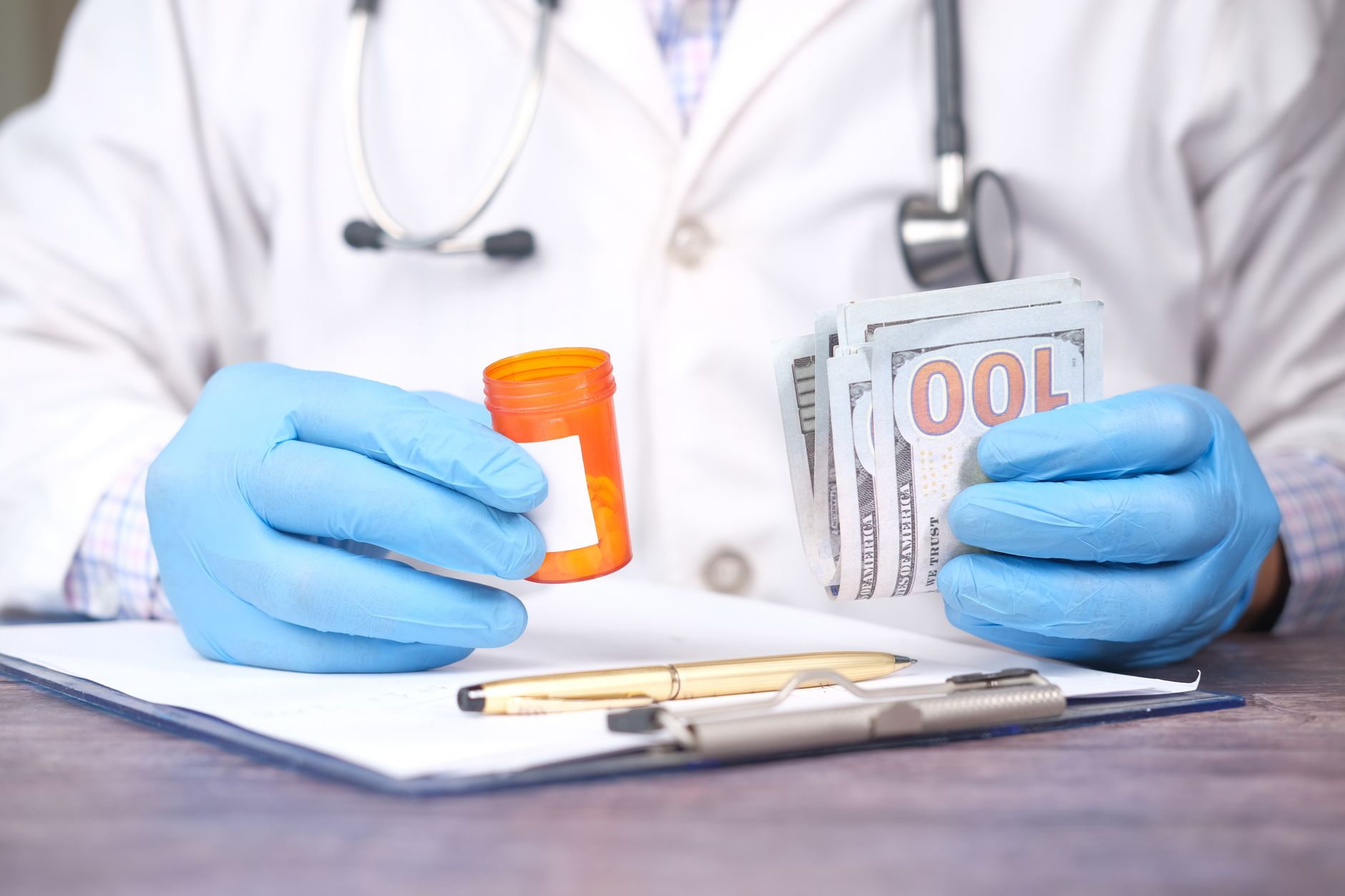
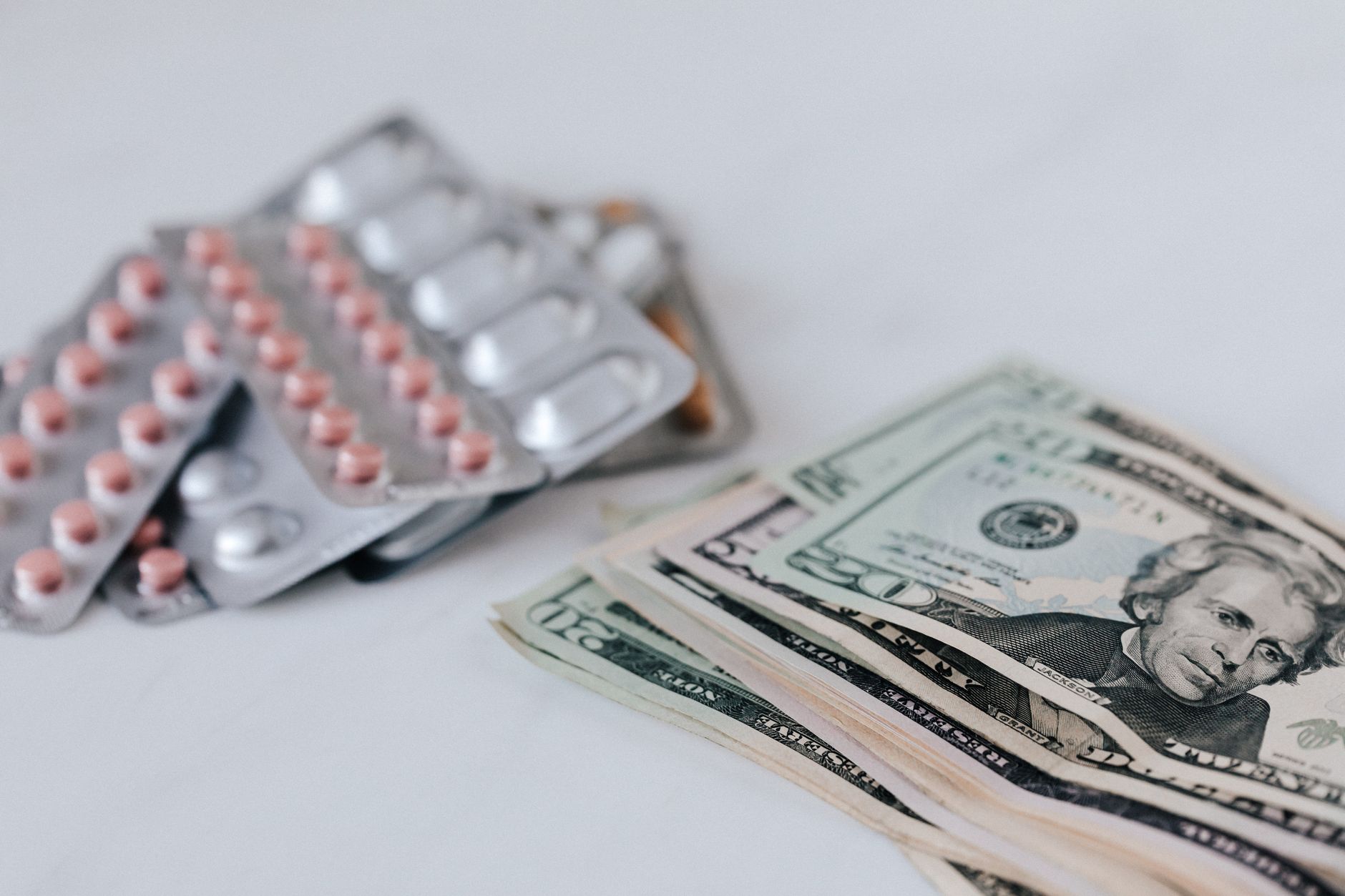
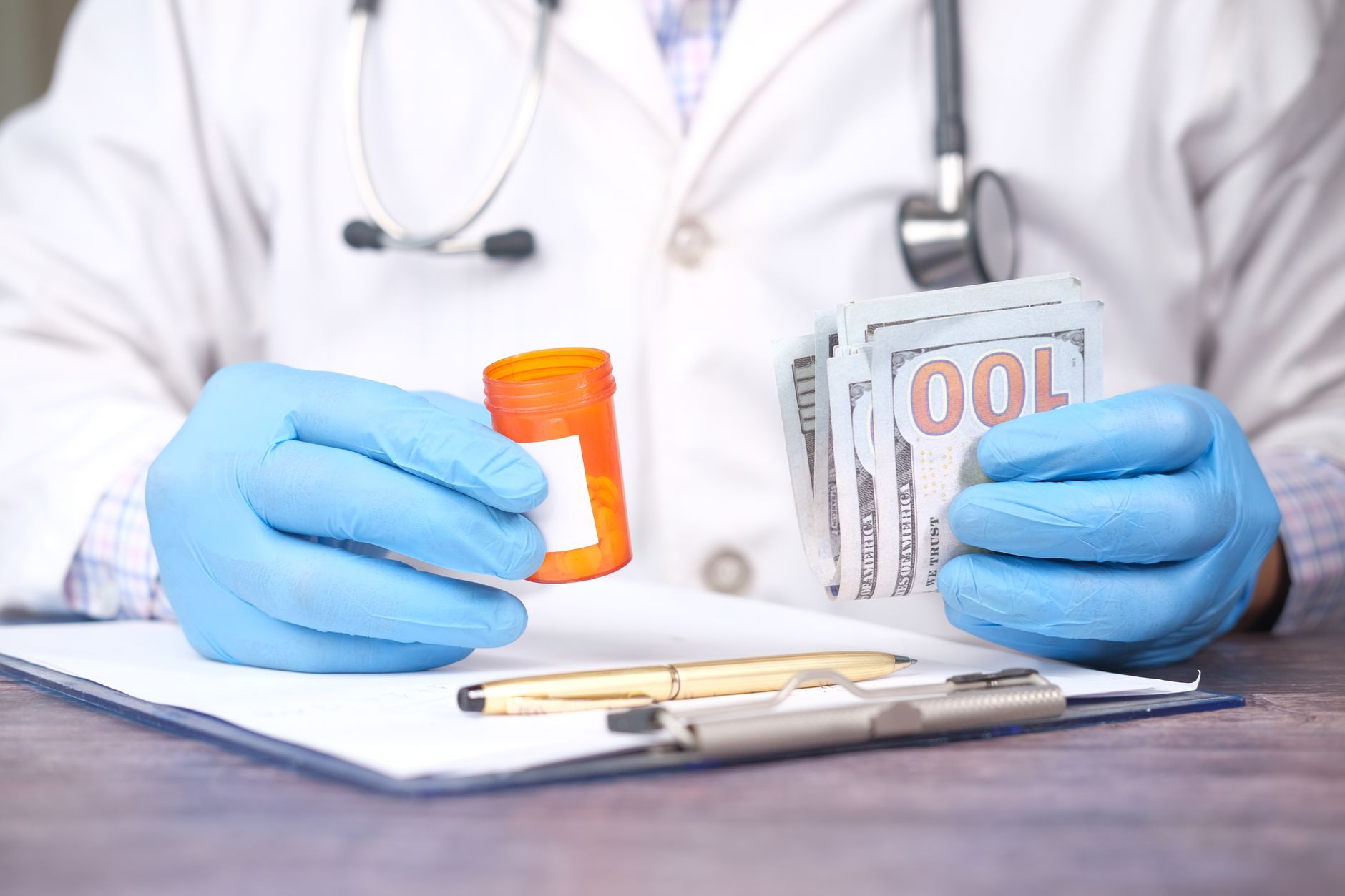

Cancer drug prices may fall up to 70% from November 9, providing relief to many patients struggling with the financial burden of treatment.
How cancer drug prices are changing
Recent developments in the pharmaceutical industry indicate a significant shift in cancer drug prices. Starting November 9, experts project that prices for some cancer medications may decrease by as much as 70%. This potential reduction could have a profound effect on patients who struggle to afford life-saving treatments.
The changes are driven by various factors, including:
- Increased competition: New generic versions of existing drugs are entering the market, which often leads to lower prices.
- Regulatory changes: Government initiatives aimed at controlling drug costs may help reduce the financial burden on patients.
- Market pressure: Advocacy groups and public outcry regarding high drug prices have prompted manufacturers to reconsider their pricing strategies.
As a result of these changes, patients may soon find relief from the high costs associated with cancer treatments. The anticipated drop in cancer drug prices could enable more individuals to access necessary therapies, ultimately improving health outcomes and quality of life for many.
Impact of price drops on patients
The potential decrease in cancer drug prices could significantly benefit patients across the country. As prices are projected to fall by as much as 70% starting November 9, the implications for those undergoing treatment are profound.
Many patients have struggled with the high costs of cancer medications, often leading to difficult choices regarding their treatment plans. With reduced prices, patients may experience:
- Improved access: More individuals may be able to afford necessary medications, ensuring they receive timely treatment.
- Enhanced adherence: Lower costs can lead to better adherence to prescribed therapies, ultimately improving health outcomes.
- Reduced financial burden: Many patients face significant out-of-pocket expenses, and price reductions could alleviate some of this stress.
- Greater options: Patients may have the opportunity to explore a wider range of treatments without the fear of exorbitant costs.
Overall, the potential fall in cancer drug prices represents a crucial shift that could lead to improved quality of life for many, making essential therapies more accessible than ever before.
Why cancer drug prices are falling
The recent trends in the pharmaceutical industry suggest a significant decrease in cancer drug prices, with projections indicating a potential drop of up to 70% starting from November 9. This decline can be attributed to several key factors.
- Increased competition: As more generic versions of cancer drugs enter the market, competition drives prices downward, providing patients with more affordable options.
- Regulatory changes: Recent policy reforms aim to promote transparency in drug pricing, encouraging pharmaceutical companies to lower costs for consumers.
- Public pressure: Advocacy groups and patients have raised awareness about the high costs of cancer treatments, pushing for more reasonable pricing practices.
- Innovative pricing models: Some companies are exploring value-based pricing strategies, where drug prices are tied to their effectiveness, ensuring that patients only pay for what works.
These factors combined indicate a shift in the landscape of cancer drug prices, potentially leading to substantial savings for patients. As the market adapts, it is essential for stakeholders to remain vigilant in maintaining pressure for affordability and access to necessary treatments.
Future of pharmaceutical pricing
The future of pharmaceutical pricing for cancer drugs appears to be shifting towards a more patient-friendly model, as recent projections indicate that prices may decline significantly. This change is expected to alleviate some of the financial burdens faced by patients and their families.
Experts suggest that the potential price reductions could be as much as 70%, which would represent a monumental shift in how these essential medications are priced. As policies evolve and more competitive pricing structures are developed, patients might find it easier to access the treatments they need without facing exorbitant out-of-pocket costs.
In particular, the introduction of new regulations aimed at curbing excessive pricing practices is likely to play a crucial role in this transformation. As pharmaceutical companies adapt to these changes, there is optimism that the trend of high cancer drug prices will diminish.
Moreover, this newfound focus on affordability could lead to increased investment in research and development, ultimately fostering innovation in cancer treatment. As we look ahead, the landscape of cancer drug prices may not only change for the better but also redefine the patient experience in managing their health.
Photo by Towfiqu barbhuiya on Pexels
More Stories
Regulating prices of life saving drugs: Is it the right move?
Cancer drug prices: Quick drop as government caps margins
AFT Pharmaceuticals news: Best Proven Pipeline Progress