



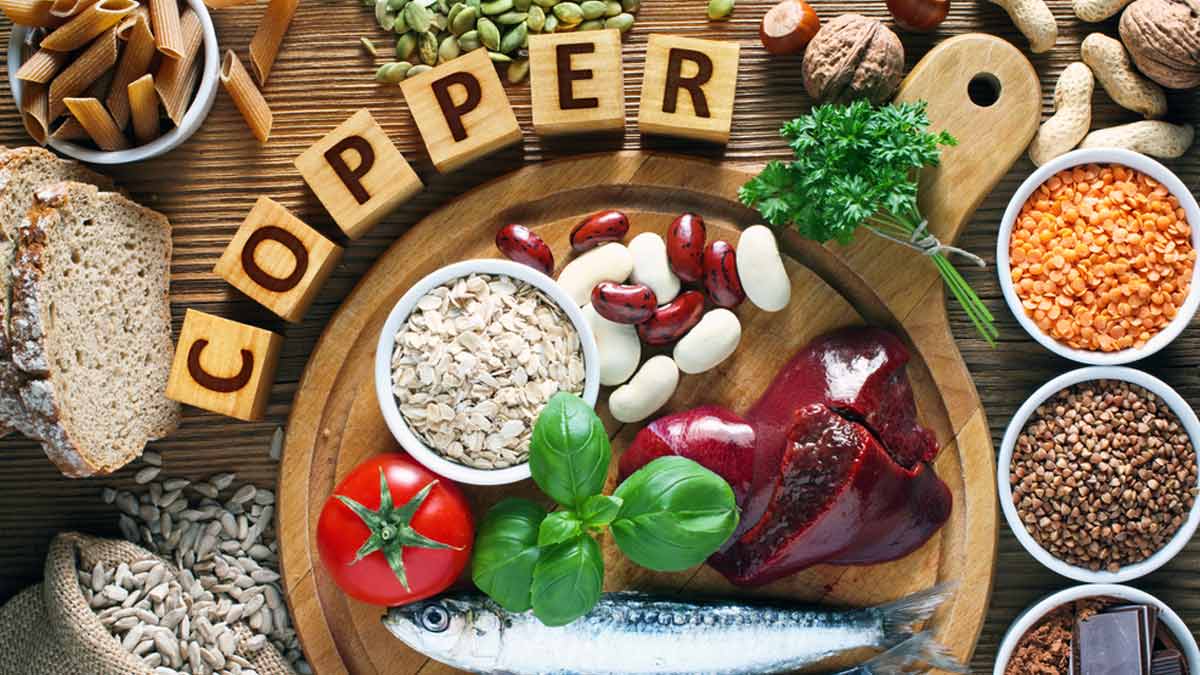
Copper is an essential trace mineral that plays a critical role in various bodily functions, including the formation of red blood cells, maintaining healthy bones, and supporting the immune system. This vital nutrient also aids in the absorption of iron, helps form collagen, and contributes to nerve function. While copper deficiency is relatively rare in developed countries, ensuring you get enough copper from your diet can help support overall health. Fortunately, a variety of foods are excellent sources of copper, allowing you to easily meet your daily requirements. If you’re wondering what foods have copper, the good news is that many nutrient-rich foods can provide you with this essential mineral.
Why Copper is Important for the Body
Copper is involved in several biological processes that are necessary for the proper functioning of the human body. One of its primary roles is acting as a cofactor for several enzymes that influence important reactions within cells. These enzymes play roles in processes such as energy production, antioxidant defense, and the synthesis of neurotransmitters.
In addition to its role in metabolism, copper is essential for the formation of hemoglobin, which carries oxygen throughout the body. It also helps the body absorb and utilize iron efficiently. Without enough copper, the body’s ability to form healthy red blood cells could be compromised, leading to symptoms of anemia.
Copper is also crucial for the development and maintenance of healthy connective tissues. It supports the production of collagen and elastin, both of which are necessary for the skin, blood vessels, and bones to stay strong and flexible. Copper’s ability to aid in antioxidant defenses helps protect cells from oxidative stress, preventing potential damage from free radicals.
Copper-Rich Foods to Include in Your Diet
If you’re looking to increase your copper intake and are wondering what foods have copper, there are many nutrient-dense options that can help you meet your daily needs. From shellfish and seeds to leafy greens and legumes, the following foods are excellent sources of copper.
One of the richest sources of copper is shellfish, particularly oysters. These tiny marine creatures are packed with this essential mineral, providing more than enough copper to meet your daily needs in just a small serving. A 3-ounce portion of oysters can provide over 300% of the recommended daily intake (RDI) of copper, making them a top choice for anyone looking to boost their copper levels. Other shellfish, such as crab, lobster, and mussels, are also good sources of copper, though they contain lower levels than oysters.
Seeds and nuts are also excellent sources of copper, making them a great option for vegetarians and those looking for plant-based foods rich in this mineral. Sesame seeds, sunflower seeds, and cashews are among the highest in copper content. Just a handful of these seeds can provide a significant portion of the RDI for copper. Additionally, nuts like almonds and walnuts, while lower in copper than seeds, can still help contribute to your daily intake when consumed as part of a balanced diet.
Another great source of copper is organ meats, particularly liver. Beef liver is one of the richest food sources of copper, with a 3-ounce serving containing over 100% of the RDI for copper. Although it may not be a staple in every diet, liver is a nutrient-dense food that can be an excellent addition for those looking to increase their copper intake. Other animal-based sources of copper include turkey, chicken, and beef, though they contain smaller amounts compared to shellfish and organ meats.
Legumes, including lentils, beans, and chickpeas, are also rich in copper. These plant-based protein sources are high in fiber and other essential nutrients, including copper. A cup of cooked lentils can provide around 25% of your daily copper requirement, while beans and chickpeas can also contribute a substantial amount. Incorporating these foods into soups, stews, and salads is an easy way to increase your copper intake.
Leafy green vegetables are often overlooked as a source of copper, but they contain a variety of minerals, including this essential trace mineral. Spinach and kale are particularly good sources of copper, offering a healthy serving of this nutrient in addition to other important vitamins and minerals. These greens are also packed with antioxidants, making them a valuable addition to any diet. Other vegetables like Swiss chard and broccoli also provide copper, though in smaller amounts.
Whole grains, including oats, quinoa, and brown rice, are another source of copper that can easily be incorporated into meals. Whole grains contain a range of vitamins, minerals, and fiber that support overall health, and copper is no exception. A serving of quinoa can provide around 10% of the RDI for copper, making it a great addition to salads, bowls, and side dishes.
Fruits may not be as high in copper as some other food groups, but certain varieties still contain significant amounts of this mineral. Avocados, for instance, are known for their healthy fats and potassium content, but they also provide a good amount of copper. Other fruits that contain copper in smaller amounts include apples, pears, and peaches. While these fruits won’t provide as much copper as shellfish or seeds, they can still contribute to your overall intake, especially when consumed in combination with other copper-rich foods.
Dark chocolate and cocoa products are an indulgent yet healthy source of copper. Unsweetened cocoa powder, dark chocolate, and cocoa nibs are all high in copper, and they also contain powerful antioxidants that can support heart health and cognitive function. Just a small piece of high-quality dark chocolate can offer a tasty way to boost your copper intake while also providing other beneficial nutrients.
How Much Copper Do You Need?
The recommended daily intake of copper varies depending on age, gender, and life stage. For adults, the RDI for copper is around 900 micrograms (mcg) per day. Pregnant and breastfeeding women have slightly higher copper requirements, with an RDI of 1,000 mcg per day. While copper deficiencies are uncommon, certain populations, such as those with malabsorption issues or genetic disorders, may need to be more mindful of their copper intake.
Since copper is a trace mineral, it’s important to avoid excessive consumption, as too much copper can lead to toxicity. Symptoms of copper toxicity can include nausea, vomiting, abdominal pain, and liver damage. Fortunately, the body has mechanisms to regulate copper levels, so toxicity is rare if copper intake is maintained within recommended guidelines.
More Stories
Mastering Your Fitness Journey with a Calorie Calculator
Four Important Tips On The Mediterranean Diet
Get Well and Feel Great with Special Diets