



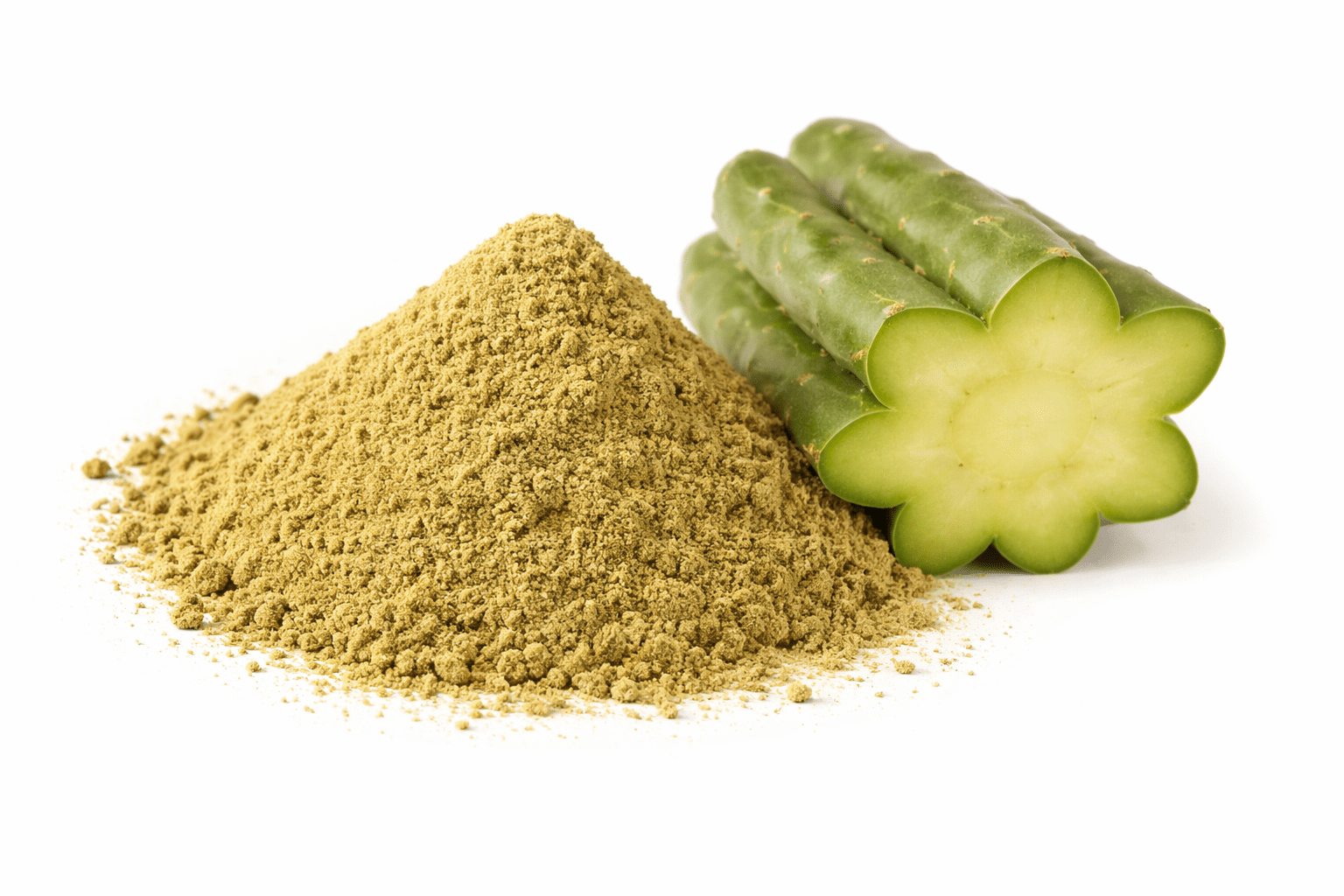
Mimosa hostilis, also known as Mimosa tenuiflora, is a tree native to parts of South and Central America. The plant has gained attention due to its long history of traditional use, its unique botanical characteristics, and its applications in research, horticulture, and natural product studies. As interest in the plant continues to grow, many people search online for Mimosa Hostilis Root Bark For Sale. Before making a purchase, it is important to understand the product, evaluate suppliers carefully, and be aware of relevant legal and ethical considerations.
Understanding Mimosa Hostilis
Mimosa hostilis is a perennial tree known for its fern-like leaves, fragrant flowers, and durable root system. Indigenous communities have traditionally used various parts of the plant for cultural and practical purposes. Today, it is often discussed in botanical, ethnobotanical, and academic contexts.
When looking for Mimosa Hostilis Root Bark For Sale, buyers should first understand exactly what the product is, where it originates, and how it is harvested. Knowledge of the plant’s background can help consumers make more informed decisions.
Why Product Quality Matters
Not all botanical products are created equal. Quality can vary significantly depending on the source, harvesting methods, storage conditions, and processing techniques used by suppliers. Buyers should seek products that are properly identified, responsibly sourced, and clearly labeled.
A reputable seller will typically provide detailed information about the plant’s origin, harvesting practices, and handling procedures. Transparency is often a strong indicator of product quality and supplier reliability.
Evaluating Suppliers
When searching for Mimosa Hostilis Root Bark For Sale, choosing the right supplier is one of the most important decisions. Buyers should research vendors carefully and look for signs of professionalism and credibility.
Some factors to consider include:
- Clear product descriptions
- Transparent sourcing information
- Customer reviews and feedback
- Responsive customer support
- Consistent quality standards
- Secure payment methods
A trustworthy supplier should be willing to answer reasonable questions about their products and business practices.
Importance of Sustainable Harvesting
Sustainability is an increasingly important issue in the botanical products industry. As demand for various plant materials grows, responsible harvesting practices become essential for protecting natural ecosystems.
Ethical suppliers often work with harvesters who follow sustainable methods that minimize environmental impact. These practices help preserve plant populations while supporting local communities that depend on natural resources for their livelihoods.
Consumers interested in Mimosa Hostilis Root Bark For Sale may wish to prioritize suppliers who demonstrate a commitment to sustainability and environmental responsibility.
Understanding Product Forms
Botanical materials can be offered in different forms depending on the supplier. Product descriptions may vary, so buyers should read listings carefully and understand exactly what is being offered.
Important details may include:
- Physical form of the material
- Packaging specifications
- Storage recommendations
- Product origin
- Batch information
Carefully reviewing these details helps reduce misunderstandings and ensures that the product matches the buyer’s expectations.
Storage and Preservation
Proper storage plays an important role in maintaining the quality of botanical materials. Environmental factors such as moisture, heat, sunlight, and air exposure can affect product condition over time.
General storage recommendations often include:
- Keeping products in a cool location
- Avoiding excessive humidity
- Protecting from direct sunlight
- Using airtight containers when appropriate
Following supplier recommendations can help preserve product quality and longevity.
Legal Considerations
Before purchasing any botanical product, consumers should familiarize themselves with applicable local, regional, and national laws. Regulations can vary significantly between jurisdictions and may change over time.
Individuals interested in Mimosa Hostilis Root Bark For Sale should conduct their own research regarding legal requirements and ensure that any purchase complies with all applicable laws and regulations in their area.
Because laws differ from one country or region to another, buyers should avoid making assumptions based on information from unrelated locations.
Researching Product Information
One of the best ways to make informed purchasing decisions is through careful research. Buyers should review multiple sources of information before selecting a supplier or product.
Helpful research topics may include:
- Botanical identification
- Geographic origin
- Traditional uses
- Sustainability practices
- Supplier reputation
- Industry standards
Taking time to research can reduce the likelihood of purchasing low-quality or misidentified products.
Red Flags to Watch For
Consumers should remain cautious when evaluating online sellers. Certain warning signs may indicate potential issues with product quality or supplier reliability.
Common red flags include:
- Lack of company information
- Unrealistic claims
- Missing contact details
- No sourcing transparency
- Poor customer reviews
- Inconsistent product descriptions
Careful evaluation can help buyers avoid unreliable vendors and improve their overall purchasing experience.
The Value of Transparency
Transparency is one of the strongest indicators of a reputable botanical supplier. Companies that openly share information about sourcing, quality control, and customer service tend to inspire greater confidence among consumers.
When exploring options for Mimosa Hostilis Root Bark For Sale, buyers should prioritize businesses that communicate clearly and provide accurate information about their products. Transparency helps establish trust and supports informed decision-making.
Final Thoughts
Finding Mimosa Hostilis Root Bark For Sale requires more than simply comparing prices. Buyers should focus on product quality, supplier reputation, sustainability practices, legal compliance, and transparency. Conducting thorough research before purchasing can help ensure a positive experience while supporting responsible and ethical business practices.
By understanding the plant, evaluating suppliers carefully, and remaining informed about relevant regulations, consumers can make thoughtful decisions and approach botanical purchases with greater confidence.
More Stories
Understanding the Worldwide Reach of Modern Spine Care
San Pedro Powder: Uses, Characteristics, and Buying Considerations
How Hearing Aid Doctors Help Seniors Improve Communication