


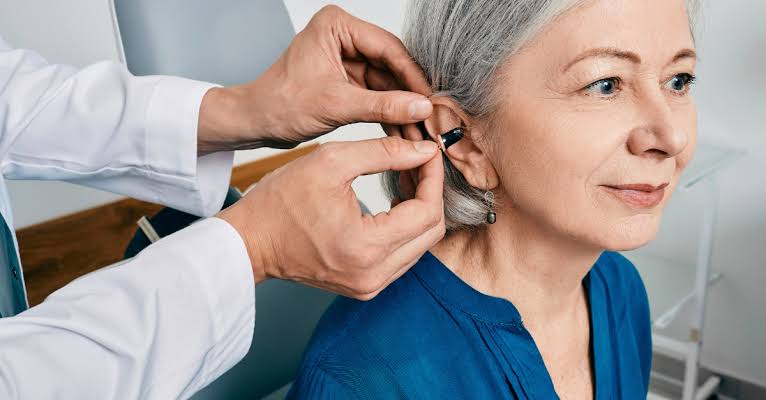
Working with a hearing aid doctor restores clear communication and prevents the social isolation caused by untreated hearing loss. Age-related hearing deterioration develops gradually, making it difficult for seniors to follow conversations in noisy environments, hear family members clearly, or engage confidently in group settings. Audiologists and hearing care professionals do far more than sell devices; they perform comprehensive diagnostic testing, customize advanced technology, and guide patients through personalized auditory rehabilitation. Partnering with a specialist ensures seniors receive precise medical care that directly enhances their relationships, cognitive health, and overall quality of life.
Key Benefits of Specialized Hearing Care
Partnering with a hearing aid doctor yields transformative physical, mental, and social benefits for aging adults.
- Restored Family Connections: Eliminating communication barriers allows seniors to converse effortlessly with children, grandchildren, and friends.
- Cognitive Health Protection: Stimulating the brain with clear sound signals reduces the cognitive fatigue and mental strain linked to untreated hearing loss.
- Enhanced Environmental Safety: Reestablishing the ability to hear doorbells, smoke alarms, approaching traffic, and telephone signals.
- Reduced Social Isolation: Rebuilding confidence to participate in community activities, group dining, and public gatherings without anxiety.
Comprehensive Diagnostic Testing and Precise Customization
Hearing aid doctors conduct thorough diagnostic evaluations to map out the exact frequencies and sound levels senior struggles to perceive. Standard online tests or basic sound amplifiers cannot account for complex hearing patterns, such as high-frequency loss where speech sounds like slurred murmurs. Audiologists evaluate auditory nerve function, middle ear pressure, and speech recognition performance in quiet and noisy surroundings.
Using these detailed diagnostic results, the specialist programs prescription hearing aids to amplify specific missing frequencies while protecting remaining healthy hearing. Modern hearing instruments utilize multi-channel digital processors that adapt automatically to changing acoustic environments. Precise programming ensures speech sounds natural and clear without uncomfortable background noise spikes or acoustic feedback whistles.
Auditory Rehabilitation and Speech Perception Training
The brain must be retrained to process sounds that it may not have heard in years or decades in order to adjust to hearing aids. When hearing loss goes untreated, the auditory cortex of the brain receives diminished stimulation, causing speech perception skills to decline over time. Hearing aid doctors guide seniors through structured auditory rehabilitation programs to help them interpret complex speech patterns comfortably.
Specialists teach practical strategies for listening in challenging environments, such as restaurants, family gatherings, or public venues. They counsel patients on positioning, visual cues, and environmental acoustics to optimize sound reception. This step-by-step guidance builds patient confidence, helping seniors adjust to their newly restored hearing without feeling overwhelmed by ambient environmental noise.
Ongoing Maintenance and Technology Upgrades
Continuous support from a hearing care specialist ensures devices function reliably and adapt to a senior’s changing medical needs. Hearing aids operate in warm, moist ear canals, where earwax buildup and moisture can degrade delicate electronic receivers and microphones over time. Audiologists provide routine cleanings, replace worn filters, and recalibrate internal settings during regular checkups.
As a senior’s hearing profile changes, the doctor adjusts the device programming to match new prescription requirements without forcing the patient to buy new hardware prematurely. Specialists also assist seniors with integrating Bluetooth connectivity, pairing hearing devices directly to smartphones, televisions, and external microphones. This seamless technological integration simplifies daily tasks, making telephone calls and television listening effortless.
Preserving Long-Term Independence and Well-Being
Restoring a senior’s hearing is one of the most effective ways to preserve their independence, mental sharpness, and emotional well-being. Hearing loss often causes individuals to withdraw from social situations out of frustration or embarrassment, leading to feelings of loneliness and accelerated cognitive decline. Working closely with a hearing aid doctor breaks this cycle, giving seniors the tools and support needed to stay actively connected with their loved ones.
Investing in expert diagnostic evaluations, personalized device programming, and ongoing care ensures that hearing technology delivers maximum real-world value. Clear hearing transforms daily interactions, making conversations effortless and rewarding once again. Seeking professional care from a hearing specialist protects a senior’s cognitive health, strengthens family bonds, and empowers them to live a vibrant, fulfilling life.
More Stories
Understanding the Worldwide Reach of Modern Spine Care
San Pedro Powder: Uses, Characteristics, and Buying Considerations
How Chronic Condition Home Care Supports Better Health and Comfort in Orange County