


San Pedro powder is a botanical material generally associated with the San Pedro cactus, scientifically known as Echinopsis pachanoi. The plant was formerly classified as Trichocereus pachanoi, a name that is still commonly found in online descriptions and botanical discussions.
Native to the Andes of South America, San Pedro has a long history of traditional and cultural significance. Today, people researching the plant may encounter it in different forms, including dried botanical material and powder.
However, San Pedro cactus contains naturally occurring mescaline, a psychoactive compound that is regulated in many jurisdictions. Anyone researching or purchasing San Pedro powder should therefore consider botanical identity, product quality, safety, and local laws before making any decision.
What Is San Pedro Powder?
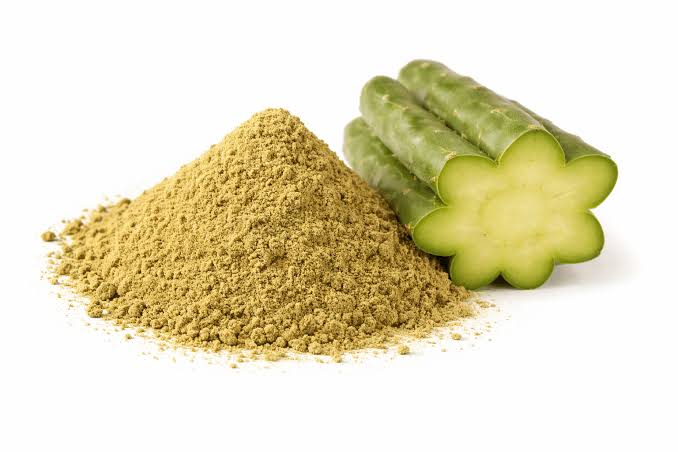
San Pedro powder is typically produced by drying and grinding material from the San Pedro cactus. The resulting product can have a green, gray-green, or brownish-green appearance depending on the plant material and processing method.
The powder itself is a processed botanical product rather than a separate plant species. Its characteristics can vary according to the cactus’s age, growing conditions, geographic origin, processing techniques, and storage.
Because grinding removes much of the original structure of the cactus, buyers should pay particular attention to the supplier’s botanical identification and product information.
Understanding the San Pedro Cactus
San Pedro is a columnar cactus native to the Andes. It is commonly associated with countries such as Peru, Ecuador, and Bolivia, where related cactus species have been cultivated and used for generations.
The cactus is recognizable by its tall, ribbed appearance and spines. Depending on environmental conditions, individual plants can develop significant differences in size, shape, and coloration.
The scientific name Echinopsis pachanoi is widely accepted in modern botanical classification, although the older name Trichocereus pachanoi remains common in commercial and informal sources.
Traditional and Cultural Background
San Pedro has an important place in the traditional plant knowledge of parts of South America. Historical and ethnobotanical research has documented ceremonial and cultural associations with the cactus.
These traditions are an important part of the plant’s history and help explain why San Pedro continues to receive attention from researchers and people interested in ethnobotany.
It is important, however, to distinguish traditional cultural practices from modern claims about health effects. Historical use does not automatically establish that a substance is safe or medically effective.
Characteristics of San Pedro Powder
Several characteristics can vary between different San Pedro powder products.
Color
Powder can range from green to darker green or brownish-green. Color alone cannot establish the identity or quality of the material.
Texture
The texture depends on how finely the dried cactus was processed. Some products may have a very fine consistency, while others may be more coarse.
Aroma
Dried cactus material can have a distinctive plant-like smell. Significant changes in odor may indicate poor storage or deterioration.
Botanical Identity
A reliable listing should identify the source plant clearly, preferably using the scientific name Echinopsis pachanoi.
Natural Chemical Composition
San Pedro cactus contains naturally occurring plant compounds, including alkaloids. The best-known is mescaline, a psychoactive compound.
The concentration of naturally occurring compounds can vary considerably between individual plants and samples. Factors such as genetics, age, growing conditions, plant part, and processing can influence chemical composition.
For this reason, appearance or seller descriptions should not be treated as a reliable measurement of chemical content.
Why Quality Matters
Botanical powders can vary significantly in quality. Accurate species identification is especially important when the original plant structure is no longer visible.
When evaluating a San Pedro powder listing, consider whether the supplier provides:
- The scientific name of the plant
- Information about geographic origin
- Details about processing
- Appropriate packaging information
- Storage recommendations
- Quality-control information
- Clear legal and product disclosures
A transparent product description is generally more useful than exaggerated claims about strength or effects.
Buying Considerations
People researching San Pedro powder should approach online listings carefully. A professional supplier should provide enough information for customers to understand what botanical material is being offered.
Price should not be the only consideration. Extremely inexpensive products may have unclear sourcing or limited quality information, while a higher price does not automatically guarantee superior quality.
Instead, compare suppliers based on transparency, botanical identification, product documentation, packaging, and reputation.
Checking Product Authenticity
Powdered plant material can be difficult to authenticate visually. Once cactus material has been finely ground, many characteristics that help identify the original plant are no longer visible.
For this reason, buyers should avoid relying solely on color or texture when assessing authenticity.
Where appropriate, independent laboratory testing and reliable documentation can provide more useful information about botanical identity and contaminants than visual inspection alone.
Storage and Handling
Dried botanical powders should generally be protected from moisture, excessive heat, direct sunlight, and contamination.
Moisture is particularly important because it can contribute to mold and deterioration. Products should remain in suitable packaging and be stored according to the supplier’s instructions.
If a product develops visible mold, unusual moisture, or an abnormal odor, it should not be used.
Safety Considerations
San Pedro deserves additional caution because the cactus can contain mescaline, a psychoactive substance. Effects can vary significantly depending on the material and individual circumstances.
People should not assume that a plant-derived product is automatically safe. Psychoactive substances can interact with medications and may present particular risks for people with certain health conditions.
Anyone considering a product containing naturally occurring psychoactive compounds should seek appropriate professional advice and understand the relevant risks before making decisions about use.
Legal Considerations
The legal status of San Pedro cactus and mescaline varies around the world. Some jurisdictions regulate mescaline as a controlled substance, while rules concerning live ornamental cacti, dried material, possession, sale, and preparation can differ.
For this reason, buyers should research current laws in their own country or region before purchasing San Pedro powder.
A product being advertised online does not necessarily mean that its sale, importation, possession, or use is lawful where the buyer lives.
Sustainable Sourcing
San Pedro and related Andean cacti are also relevant to discussions about conservation and sustainable horticulture.
Responsible sourcing can help reduce pressure on wild plant populations. Buyers interested in botanical materials may therefore want to consider whether a supplier provides information about cultivation and sustainable sourcing.
Supporting transparent suppliers can encourage better practices throughout the botanical trade.
Common Mistakes to Avoid
One common mistake is assuming that all San Pedro powder products are identical. In reality, botanical material can vary substantially.
Another mistake is believing that a particular color or texture proves authenticity. Visual characteristics are not enough to establish species or chemical composition after a plant has been powdered.
It is also unwise to rely on unsupported claims about health benefits or potency. Scientific evidence, product testing, and reliable botanical references provide a stronger foundation for research.
Final Thoughts
San Pedro powder is a processed botanical material associated with Echinopsis pachanoi, an Andean cactus with a long cultural and ethnobotanical history. Its distinctive characteristics and traditional significance have made it a subject of continuing interest.
However, because San Pedro can contain mescaline, researching the product requires more than comparing online prices. Buyers should consider botanical identity, sourcing, quality, storage, safety, sustainability, and local regulations.
A careful, evidence-based approach can help people understand San Pedro powder more accurately while avoiding misleading claims and unnecessary legal or safety risks.
More Stories
Understanding the Worldwide Reach of Modern Spine Care
How Hearing Aid Doctors Help Seniors Improve Communication
How Chronic Condition Home Care Supports Better Health and Comfort in Orange County