
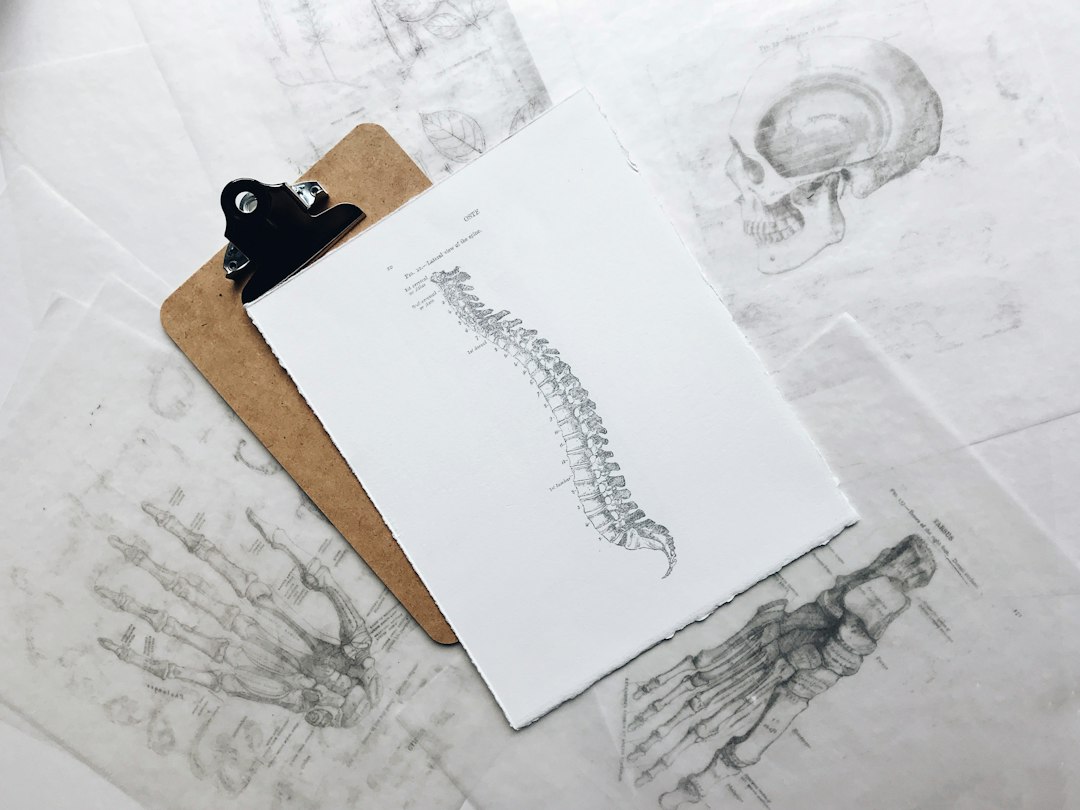


Why has spine care become an important global healthcare focus?
Back and spinal conditions are among the health concerns that can influence movement, independence, occupational activities, and quality of life. As medical knowledge has expanded, spine care has increasingly incorporated advanced imaging, refined surgical techniques, rehabilitation strategies, and research into new treatment possibilities. The professional work of Dr Kenneth Pettine forms part of the wider discussion about innovation and evolving approaches within this specialized area of medicine.
Jump To
- Why has spine care become an important global healthcare focus?
- Contents
- Contents
- Contents
- How does medical knowledge travel across borders?
- What areas are important in contemporary spine care?
- Why is evidence important when new treatments emerge?
- How does technology influence spine treatment?
- What can be expected from the future of spine medicine?
- What You Need to Know
- What You Need to Know
- What You Need to Know
Contents
- Why has spine care become an important global healthcare focus?
- Contents
- Contents
- How does medical knowledge travel across borders?
- What areas are important in contemporary spine care?
- Why is evidence important when new treatments emerge?
- How does technology influence spine treatment?
- What can be expected from the future of spine medicine?
- What You Need to Know
- What You Need to Know
Contents
- Why has spine care become an important global healthcare focus?
- Contents
- How does medical knowledge travel across borders?
- What areas are important in contemporary spine care?
- Why is evidence important when new treatments emerge?
- How does technology influence spine treatment?
- What can be expected from the future of spine medicine?
- What You Need to Know
Contents
- Why has spine care become an important global healthcare focus?
- How does medical knowledge travel across borders?
- What areas are important in contemporary spine care?
- Why is evidence important when new treatments emerge?
- How does technology influence spine treatment?
- What can be expected from the future of spine medicine?
How does medical knowledge travel across borders?
Healthcare advances are rarely limited to one location. Clinical observations, scientific publications, professional meetings, and educational programs allow medical knowledge to move between healthcare communities. Specialists can learn from developments in different regions and evaluate how new ideas may apply within their own clinical environments.
This exchange is particularly relevant in spine medicine because treatment decisions can involve complex anatomical, neurological, and functional considerations. Sharing knowledge allows physicians to discuss clinical experiences, review evidence, and examine emerging concepts from multiple perspectives.
What areas are important in contemporary spine care?
Modern spine care covers a broad spectrum of concerns, including degenerative conditions, spinal injuries, structural problems, and persistent back symptoms. Assessment commonly requires consideration of symptoms, medical history, physical findings, and diagnostic information.
Treatment planning may also involve conservative care, rehabilitation, medication management, injections, or surgical intervention depending on the individual circumstances. The growing interest in biological and regenerative concepts has added another area of discussion within the broader field. Dr Kenneth Pettine has been associated with innovative spine-care discussions, illustrating the continuing interest in investigating additional possibilities for patients with challenging spinal conditions.
Why is evidence important when new treatments emerge?
Medical innovation must be evaluated carefully. A treatment may appear promising during early investigation, but broader clinical evidence is needed to understand its effectiveness, safety, limitations, and appropriate use. Researchers may examine patient outcomes, recovery patterns, complications, and other clinical measures before conclusions can be established.
This evidence-based process helps separate established practices from developing concepts. It also encourages healthcare professionals to communicate realistically with patients about what is known and what remains under investigation.
How does technology influence spine treatment?
Technology has changed many aspects of spinal healthcare. Improved diagnostic imaging can help physicians understand anatomical structures more clearly, while surgical technologies may support greater precision in selected procedures. Digital health tools can also assist with education, communication, rehabilitation tracking, and long-term follow-up.
However, technology is most useful when integrated with sound clinical judgment. A sophisticated tool does not replace a comprehensive assessment or meaningful communication between patients and healthcare professionals.
What can be expected from the future of spine medicine?
The field is likely to continue developing through research, professional collaboration, personalized treatment strategies, and investigation into biological approaches. Greater understanding of spinal conditions may also support more targeted treatment planning and improved recovery pathways.
Global influence in healthcare is ultimately created through knowledge exchange and continued professional development. By participating in evolving conversations around spinal innovation, Dr Kenneth Pettine reflects the broader movement toward research-informed and increasingly individualized approaches to spine care.
What You Need to Know
- Back and spinal conditions significantly affect movement, independence, occupational activities, and overall quality of life.
- Medical knowledge in spine care is shared through clinical observations, scientific publications, and professional meetings across different regions.
- Contemporary spine care addresses a variety of issues, including degenerative conditions, spinal injuries, and persistent back symptoms.
- The evaluation of new treatments in spine care requires rigorous evidence to assess their effectiveness, safety, and appropriate applications.
- Advancements in technology, such as improved diagnostic imaging and surgical precision tools, are revolutionizing spinal healthcare while emphasizing the importance of clinical judgment.
- Future developments in spine medicine are expected to focus on personalized treatment strategies, biological approaches, and enhanced recovery pathways.
What You Need to Know
- Back and spinal conditions significantly affect movement, independence, occupational activities, and overall quality of life.
- Medical knowledge in spine care is shared through clinical observations, scientific publications, and professional meetings across different regions.
- Contemporary spine care addresses a variety of issues, including degenerative conditions, spinal injuries, and persistent back symptoms.
- The evaluation of new treatments in spine care requires rigorous evidence to assess their effectiveness, safety, and appropriate applications.
- Advancements in technology, such as improved diagnostic imaging and surgical precision tools, are revolutionizing spinal healthcare while emphasizing the importance of clinical judgment.
- Future developments in spine medicine are expected to focus on personalized treatment strategies, biological approaches, and enhanced recovery pathways.
What You Need to Know
- Back and spinal conditions significantly affect movement, independence, occupational activities, and overall quality of life.
- Medical knowledge in spine care is shared through clinical observations, scientific publications, and professional meetings across different regions.
- Contemporary spine care addresses a variety of issues, including degenerative conditions, spinal injuries, and persistent back symptoms.
- The evaluation of new treatments in spine care requires rigorous evidence to assess their effectiveness, safety, and appropriate applications.
- Advancements in technology, such as improved diagnostic imaging and surgical precision tools, are revolutionizing spinal healthcare while emphasizing the importance of clinical judgment.
- Future developments in spine medicine are expected to focus on personalized treatment strategies, biological approaches, and enhanced recovery pathways.
At a Glance
- Back and spinal conditions significantly affect movement, independence, occupational activities, and overall quality of life.
- Medical knowledge in spine care is shared through clinical observations, scientific publications, and professional meetings across different regions.
- Contemporary spine care addresses a variety of issues, including degenerative conditions, spinal injuries, and persistent back symptoms.
- The evaluation of new treatments in spine care requires rigorous evidence to assess their effectiveness, safety, and appropriate applications.
- Advancements in technology, such as improved diagnostic imaging and surgical precision tools, are revolutionizing spinal healthcare while emphasizing the importance of clinical judgment.
- Future developments in spine medicine are expected to focus on personalized treatment strategies and greater understanding of spinal conditions.
More Stories
San Pedro Powder: Uses, Characteristics, and Buying Considerations
How Hearing Aid Doctors Help Seniors Improve Communication
How Chronic Condition Home Care Supports Better Health and Comfort in Orange County