



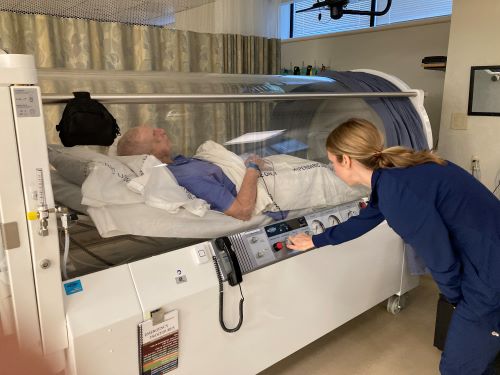
The human body has a remarkable ability to heal itself, but certain injuries and conditions can slow or complicate this natural process. Chronic wounds, surgical recovery, and tissue damage often require additional support to heal effectively. One treatment that has gained increasing attention in recent years is hyperbaric oxygen therapy. Known for its ability to enhance oxygen delivery throughout the body, this therapy is being explored as a powerful tool for wound healing and tissue repair.
As awareness grows, patients and healthcare providers alike are recognizing the potential of hyperbaric oxygen therapy to support recovery in ways that traditional methods alone may not achieve.
What Is Hyperbaric Oxygen Therapy
Hyperbaric oxygen therapy involves breathing pure oxygen in a controlled environment where the air pressure is higher than normal. This increase in pressure allows the lungs to take in more oxygen than they would under typical conditions. As a result, oxygen dissolves more efficiently into the bloodstream and reaches tissues that may be deprived due to injury or illness.
This enhanced oxygen delivery plays a key role in promoting healing. Oxygen is essential for cellular repair, immune function, and the production of new blood vessels. By increasing the availability of oxygen in damaged tissues, hyperbaric oxygen therapy helps create an optimal environment for recovery.
Why Oxygen Is Critical for Healing
Oxygen is a fundamental component of the healing process. When tissues are injured, the body responds by increasing blood flow to the affected area. This brings oxygen and nutrients needed for repair. However, in some cases, circulation may be compromised, limiting the amount of oxygen that reaches the damaged tissue.
Without adequate oxygen, wounds may heal slowly or not at all. This is particularly common in conditions such as diabetes, vascular disease, or severe infections. Hyperbaric oxygen therapy addresses this challenge by delivering high concentrations of oxygen directly to areas that need it most.
By improving oxygen levels at the cellular level, the therapy supports essential processes such as collagen formation, tissue regeneration, and infection control.
How Hyperbaric Oxygen Therapy Supports Wound Healing
One of the most well-known uses of hyperbaric oxygen therapy is in the treatment of chronic and non-healing wounds. These wounds often resist standard treatments due to poor blood supply or persistent inflammation.
The therapy enhances healing in several important ways. First, it stimulates the growth of new blood vessels, a process known as angiogenesis. This improves circulation in the affected area, allowing more oxygen and nutrients to reach the tissue.
Second, it helps reduce swelling and inflammation. By controlling these factors, the therapy creates a more stable environment for healing. Reduced inflammation also minimizes discomfort and promotes faster recovery.
Third, hyperbaric oxygen therapy boosts the activity of white blood cells, which are essential for fighting infection. Infected wounds can be particularly difficult to treat, but improved immune function helps the body respond more effectively.
The Role of Collagen in Tissue Repair
Collagen is a protein that provides structure and strength to tissues. It is essential for wound closure and the formation of new skin. Oxygen plays a critical role in collagen production, making it a key factor in successful healing.
Hyperbaric oxygen therapy enhances collagen synthesis by increasing oxygen availability in the bloodstream. This supports the development of stronger, more resilient tissue and helps wounds close more efficiently.
For patients recovering from surgery or injury, improved collagen production can lead to better outcomes and reduced scarring.
Applications Beyond Wound Care
While wound healing is a primary focus, hyperbaric oxygen therapy is also being explored for a variety of other medical and wellness applications. One area of growing interest is neurological recovery.
Research suggests that increased oxygen delivery may support brain function and repair. This has led to interest in hyperbaric treatment for stroke recovery, where improved oxygenation may help damaged brain tissue recover more effectively.
Although results can vary and more research is needed, some patients report improvements in cognitive function, mobility, and overall quality of life following therapy.
Reducing the Risk of Infection
Infections can significantly delay healing and lead to serious complications. Hyperbaric oxygen therapy helps reduce this risk by creating an environment that is less favorable for harmful bacteria.
Many types of bacteria thrive in low oxygen conditions. By increasing oxygen levels in tissues, the therapy makes it more difficult for these organisms to survive. At the same time, it enhances the ability of the immune system to detect and eliminate infections.
This dual effect makes hyperbaric oxygen therapy a valuable tool in managing complex wounds and preventing complications.
Supporting Recovery After Surgery
Surgical procedures place stress on the body and require time for tissues to heal. Hyperbaric oxygen therapy can support this recovery process by promoting faster and more efficient healing.
Patients who undergo surgery may benefit from improved circulation, reduced swelling, and enhanced tissue repair. These factors can contribute to shorter recovery times and better overall outcomes.
In some cases, healthcare providers may recommend hyperbaric oxygen therapy as part of a comprehensive post-surgical care plan.
Enhancing Circulation and Blood Flow
Healthy circulation is essential for delivering oxygen and nutrients throughout the body. When circulation is impaired, healing can be significantly delayed.
Hyperbaric oxygen therapy stimulates the formation of new blood vessels and improves overall blood flow. This helps ensure that damaged tissues receive the support they need to recover.
Improved circulation also plays a role in reducing pain and promoting overall tissue health, making it a key benefit of the therapy.
Who Can Benefit from This Therapy
Hyperbaric oxygen therapy may be beneficial for a wide range of individuals. Patients with chronic wounds, diabetic ulcers, or radiation-related tissue damage are among those who may see the most significant improvements.
Athletes recovering from injuries and individuals seeking enhanced recovery may also explore this therapy as part of their wellness routine.
Additionally, those interested in hyperbaric treatment for stroke recovery may consider it as a complementary approach, under the guidance of medical professionals.
It is important to note that the therapy should always be administered by trained professionals and tailored to the individual’s specific needs.
What to Expect During a Session
A typical hyperbaric oxygen therapy session involves entering a specialized chamber where pressure is gradually increased. Patients breathe pure oxygen while relaxing in a comfortable position.
Sessions can last from thirty minutes to over an hour, depending on the treatment plan. Many individuals find the experience calming, with minimal discomfort.
Some people may feel a slight pressure in their ears, similar to what is experienced during air travel. This sensation is usually temporary and manageable.
Safety and Considerations
Hyperbaric oxygen therapy is generally considered safe when performed under proper supervision. However, it may not be suitable for everyone.
Individuals with certain medical conditions should consult with a healthcare provider before beginning treatment. A thorough evaluation ensures that the therapy is both safe and effective for the patient.
Following recommended guidelines and working with experienced professionals is essential for achieving the best results.
The Future of Oxygen-Based Healing
As research continues, the potential applications of hyperbaric oxygen therapy are expanding. Advances in medical technology and a deeper understanding of oxygen’s role in healing are opening new possibilities for treatment.
From chronic wound care to neurological support, this therapy is becoming an increasingly valuable part of modern healthcare. Its ability to enhance the body’s natural healing processes makes it a promising option for a wide range of conditions.
Interest in hyperbaric treatment for stroke recovery and other complex conditions highlights the growing recognition of oxygen-based therapies in improving patient outcomes.
Healing is a complex process that requires the right conditions for success. Hyperbaric oxygen therapy offers a unique approach by delivering high levels of oxygen directly to the tissues that need it most.
Through improved circulation, enhanced collagen production, and stronger immune response, the therapy supports effective wound healing and tissue repair. Its potential benefits extend beyond traditional applications, offering hope for individuals seeking innovative solutions for recovery.
As more people explore advanced healing methods, hyperbaric oxygen therapy stands out as a powerful and versatile option. With proper guidance and a personalized approach, it can play a meaningful role in supporting the body’s journey toward recovery and long term wellness.
More Stories
Understanding the Worldwide Reach of Modern Spine Care
San Pedro Powder: Uses, Characteristics, and Buying Considerations
How Hearing Aid Doctors Help Seniors Improve Communication